Therapeutic Services
At Feelosophy Bilingual Counseling Services, therapy is grounded in emotional safety, cultural responsiveness, and a reflective, relational approach. All services are offered in English and Spanish, ensuring you receive care in the language that feels most authentic and comfortable to you.

Who We Serve
-Caregiver-child dyads (0–6)
-Adolescents (13-17)
-Adults (18+)
Approaches
Therapeutic interventions integrate:
-Child-Parent Psychotherapy (CPP)
-Attachment- and relationship-based models (e.g., COS-P)
-Trauma-informed care
-Psychodynamic exploration
-Cognitive Behavioral Therapy (CBT)
-Trauma-informed CBT (TI-CBT)
-Dialectical Behavioral Therapy (DBT)
-Acceptance and Commitment Therapy (ACT)
-Motivational Interviewing (MI)
-Rational Emotive Behavioral Therapy (REBT)
-Mindfulness-based Interventions
-Reflective practice
Core Services
Individual Counseling

Individual counseling is available for both adults and adolescents. At Feelosophy, we provide a supportive and reflective space to explore emotions, past experiences, and current stressors with compassion and clarity.
Sessions integrate evidence-based interventions, such as Cognitive-Behavioral Therapy (CBT), trauma-informed approaches, mindfulness-based techniques, and strengths-based frameworks—to help you understand patterns, develop healthier coping strategies, and foster emotional resilience.
For adolescent clients, therapy may include caregiver involvement as clinically appropriate. Research consistently shows that these approaches reduce symptoms of anxiety, depression, trauma, and relationship distress while improving overall functioning, self-esteem, and emotional stability.
Therapy offers a protected space where you can slow down, feel understood, and create meaningful change at a pace that feels right for you. Clients often report feeling more grounded, confident, and connected to themselves as they work toward lasting healing.
Trauma-Informed Counseling

Trauma-informed counseling offers a gentle, attuned, and grounding approach for people processing difficult or overwhelming experiences..
Using evidence-based frameworks such as Trauma-Focused CBT, grounding techniques, somatic awareness, polyvagal-informed practices, narrative work, and attachment-based strategies, this approach helps you understand how trauma impacts the mind, body, and relationships.
Research shows that trauma-informed care supports emotional regulation, reduces reactivity, decreases anxiety, and increases feelings of empowerment and self-trust.
Therapy prioritizes emotional safety, pacing, and collaboration, ensuring you feel supported, understood, and in control as you process your story and reconnect with resilience.
This work helps clients move from survival mode into a steadier sense of safety, stability, and inner strength.
Career Counseling:
Life, Transitions, & Professional Identity

Work is often deeply connected to identity, purpose, culture, and self-worth. Whether you are navigating burnout, questioning your career path, returning to work after parenting, launching a business, or feeling stuck in a role that no longer aligns with your values, therapy can provide space for clarity and direction.
Together, we explore the emotional, relational, and practical layers of professional life — helping you understand patterns, reconnect with your strengths, and make intentional decisions that reflect who you are becoming.
Career concerns are rarely just about work; they are often about meaning, balance, and belonging.
Child-Parent Psychotherapy (0-6)
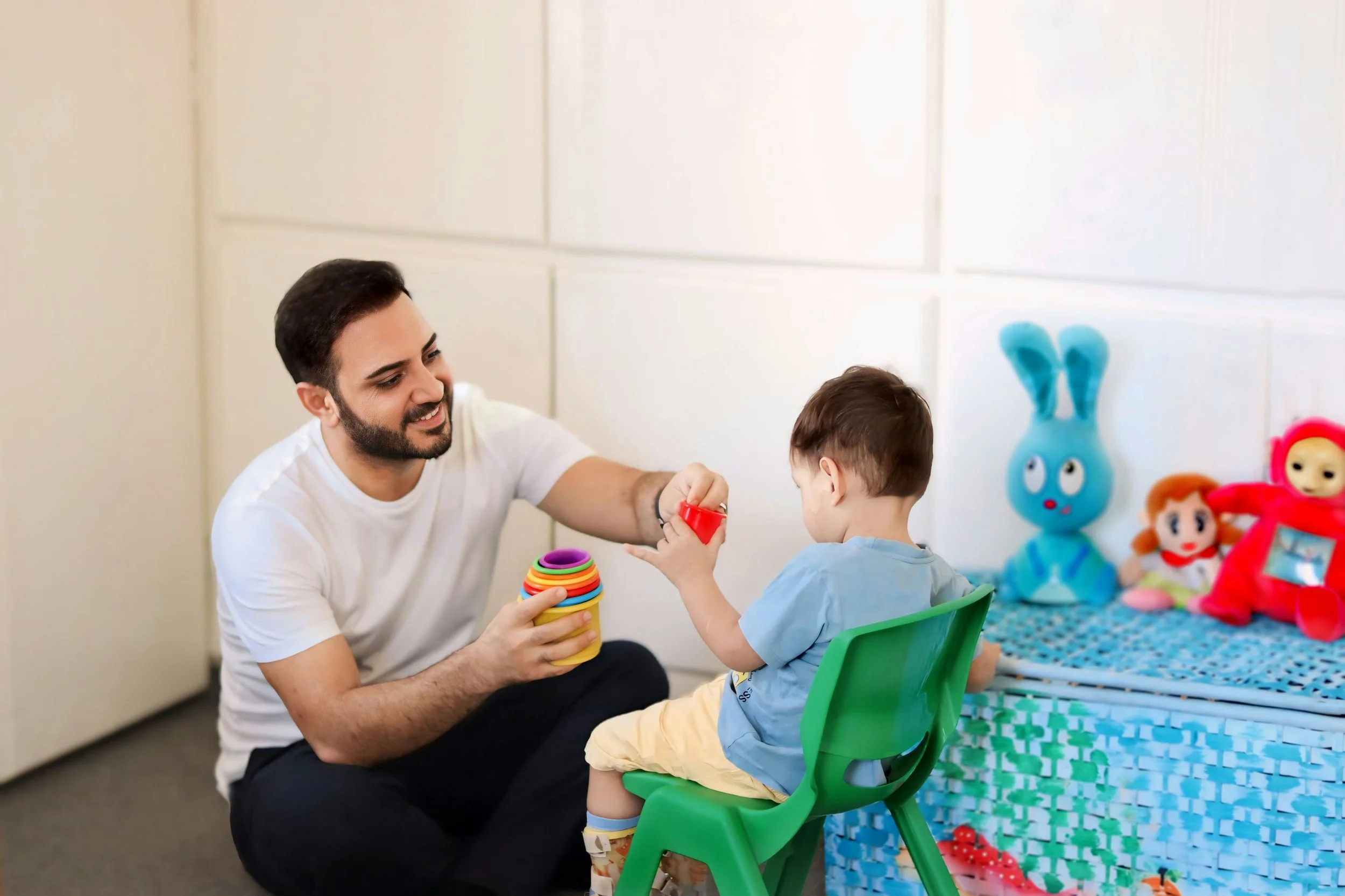

Child–Parent Psychotherapy (CPP) is an evidence-based, attachment-focused therapy designed to support young children (ages 0–6) and their caregivers after stressful or traumatic experiences.
CPP integrates developmental guidance, relationship-based work, reflective practice, and trauma-informed care to strengthen the caregiver–child bond and promote emotional regulation, secure attachment, and healthy development.
Decades of research show CPP reduces trauma symptoms, decreases behavior challenges, supports caregiver sensitivity, and improves long-term emotional health.
Through play, observation, reflective dialogue, collaborative meaning-making, and developmental guidance, caregivers and children work together to restore safety, strengthen connection, and build resilience in the relationship.
CPP gives caregivers the tools to understand, support, and emotionally reconnect with their child, especially after moments of stress, disruption, or trauma.
Perinatal & Postpartum Support

Perinatal and postpartum therapy provides specialized support for birthing people navigating emotional, physical, and identity shifts during pregnancy and early parenthood.
Grounded in evidence-based modalities—including Cognitive-Behavioral Therapy, attachment-based interventions, trauma-informed care, and guidance aligned with Postpartum Support International (PSI) standards—this approach helps you understand mood changes, birth trauma, anxious thoughts, identity transitions, and postpartum stress.
Research shows that timely perinatal counseling improves emotional well-being, reduces intrusive thoughts, enhances bonding, and supports healthy adjustment during this vulnerable season.
Sessions are paced with warmth, sensitivity, and respect for your lived experience.You don’t have to navigate this period alone—support is here to help you regain balance, confidence, and emotional grounding.